Delete 1click.cmd from Internet Explorer : Throw Out 1click.cmd
1click.cmd related similar infections| Ransomware | .xxx File Extension Ransomware, Demo Ransomware, Parisher Ransomware, fixfiles@protonmail.ch Ransomware, MNS CryptoLocker Ransomware, Green_Ray Ransomware, Kostya Ransomware, .blackblock File Extension Ransomware, Il Computer Bloccato ISP Ransomware, HCrypto Ransomware, Zerolocker Ransomware |
| Trojan | Pushbot.C, TROJ_FLOCK.I, Xombe Trojan, IRC-Worm.Claw.2553, Backdoor.Rinbot.A, Trojan.Clicker.Yumud.A, VirTool.Win32.Avucker.p, CeeInject.gen!DH, VB.bxp, Trojan.Waprox |
| Adware | AtHoc, BHO.axu, Internet Speed Monitor, Downloader.DownLoowAApip, NaughtyPops, TGDC, GameBar, Adware.Qoologic, Aolps-hp.Trojan, Adware.WindUpdates.MediaAccess, Adware.Adstechnology, Adware.IEhlpr, ShoppingSidekick |
| Browser Hijacker | NowFixPc.com, CoolWebSearch.notepad32, Blendersearch.com, HappinessInfusion Toolbar, Ism.sitescout.com, Search.myway.com, searchesplace.info, Search.anchorfree.net, EasySearch, Awebsecurity.com |
| Spyware | MacroAV, XP Cleaner, I-Worm.Netsky, Mdelk.exe, Worm.Edibara.A, Employee Watcher, MalWarrior 2007, Surfcomp, ICQ Account Cracking, Spyware.Acext, SpyiBlock, SearchNav |
Delete 1click.cmd Easily From The Windows System
The cyber Hackers have programmed this 1click.cmd Windows System malware to take benefits from the innocent user. After the infiltration of such harmful threat the functionality of the Windows System will completely compromised. Along with this 1click.cmd many other harmful threat will be invited to create more damage to the Windows System. It will immediately open a backdoor which allow the remote hacker to sneak into the Windows System and steal all the private information from the Windows System.
Information like, Browser History, Windows System ID and password, Full Windows System configuration and even install keylogger to your infected Windows System. Over and over unwanted redirection will make you redirect, as to bring more threat this 1click.cmd will open multiple of phishing website which bring harmful Windows System malware. Because of this harmful and malicious activity you must not delay to Delete such harmful threat from the infected Windows System. The earlier you Delete the threat the less you will suffer.

Part 1 : End 1click.cmd Related Task/Process From Windows Task Manager
Part 5 : Start Your Windows System in Safe Mode With Networking
Part 1 : End 1click.cmd Related Task/Process From Windows Task Manager
- First Open The Task Manager. You can do it in 2 way.
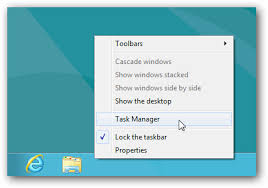
- Right Click on Task Bar and the select Task Manager.
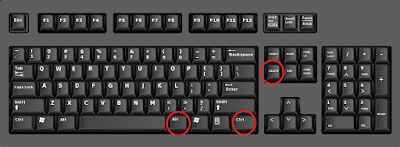
- You can also Press ALT+Ctrl+Del to Start Task Manager.
- When the Task Manager Windows will open you have to go to Process Tab.
- On Process Tab select 1click.cmd related process and then click on End Process.
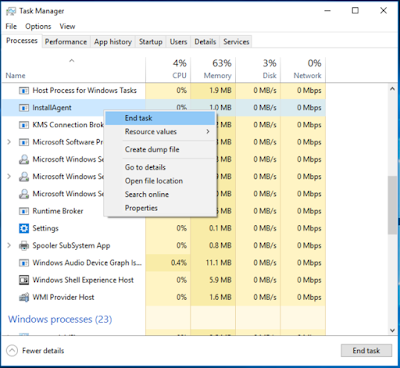
- Also go to the Task Tab and select the malicious task running On Windows system then click on End Task.
Part 2 : Delete 1click.cmd From Control Panel On Windows System
Delete 1click.cmd From Windows 10
- Click on Start Menu then go to Settings option to choose System Option.
- Here on Settings panel choose System option >>> select Apps and Features option.
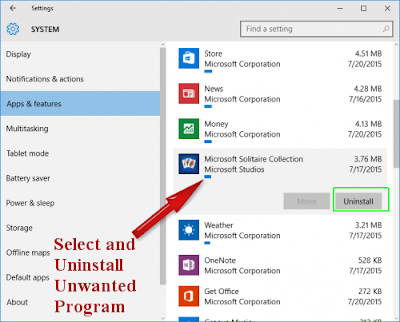
- On App and Features Panel Find 1click.cmd >>>> then press Delete option.
Delete 1click.cmd From Windows 8
- On Windows 8 press Win+R button to open Run Box.
- Type control panel and hit Enter button on search box.
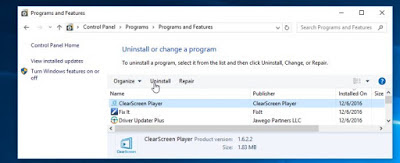
- On Control Panel Windows select Delete a program.
- Find 1click.cmd and click on Delete.
Delete 1click.cmd From Windows 7
- Press Windows Button to open All program list on Windows 7.
- From All Program List select Control Panel Option.
- Or Press together Win+R button.
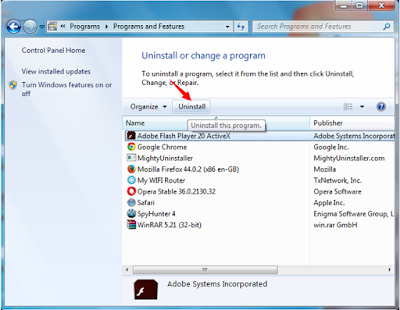
- The select Programs menu again click on Uninstall a programs.
- Select the program which want to Delete then click on Delete icon.
Delete 1click.cmd From Windows XP
- Open Start menu then select Control Panel on your Windows XP.
- On Control Panel windows click on Add or Remove programs option.
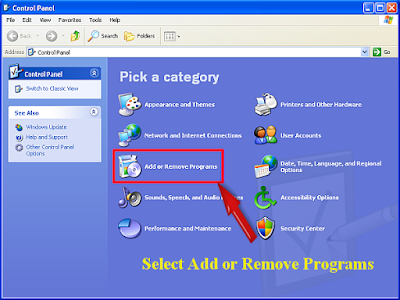
- A list of installed program will appear.
- Now from this list find 1click.cmd >>> the click on Delete option.

Part 3 : Delete 1click.cmd From Web Browser
Delete 1click.cmd From Microsoft Edge
- Click on More (...) icon on your Edge Browser.
- To Set a URL click on A specific page or pages option.
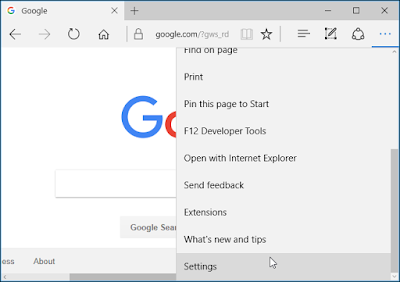
- Type the URL of the page on the Custom Option.
- Restart your Microsoft Edge Browser to Set the change.
Delete 1click.cmd From Mozilla Firefox
- To open browser menu >>> click on Setting icon (top right corner).
- Now select Add-ons .
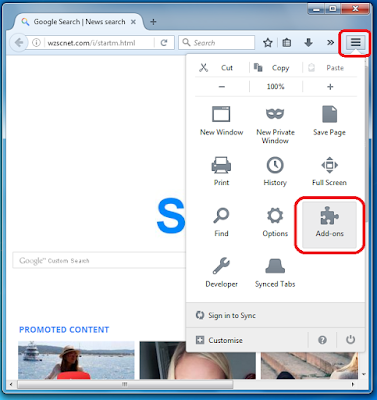
- On Add-ons Manager tab select Extensions or Appearance panel.
- Find 1click.cmd to Delete it then click on the Delete button or Trash option.
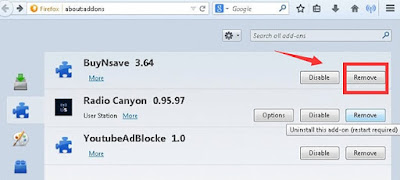
- Restart your Mozilla Firefox to see the change.
Delete 1click.cmd From Google Chrome
- Click on 3 line icon (top right corner) to open Chrome menu.
- Now click on the Tools option from drop list.
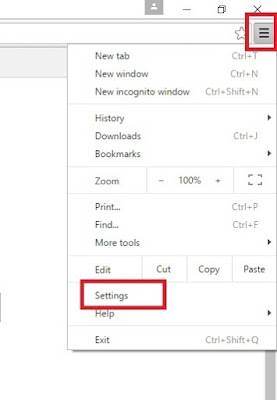
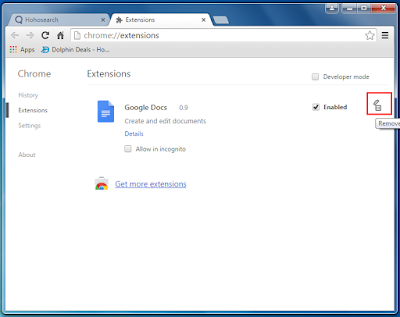
- Select Extension and select all unwanted installed extensions.
- Click on trash icon to Delete 1click.cmd from Google Chrome.
Delete 1click.cmd From Internet Explorer
- To open Tool Option Press Alt+T buttons.
- Also to open Tools option click on Gear Icon from the right-top corner.
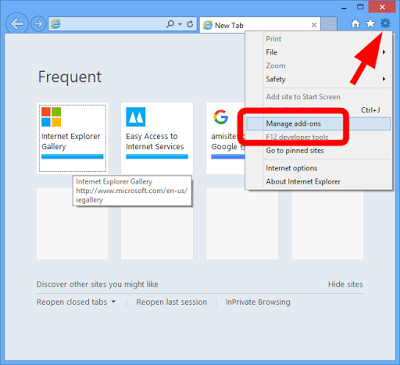
- Click on Manage Add-ons option then select Toolbars and Extensions tab.
- Find 1click.cmd and related add-ons then Click Disable.
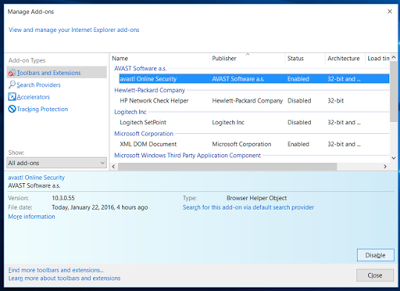
- Finally click on Delete button.
Part 4 : Delete 1click.cmd From Registry Editor
- Type regedit and hit Enter or Press OK on RUN command to open Windows Registry Editor.
- On the Windows Registry Entry Press CTRL+F key to enable search box.
- Find 1click.cmd and Delete all related registry files of it.
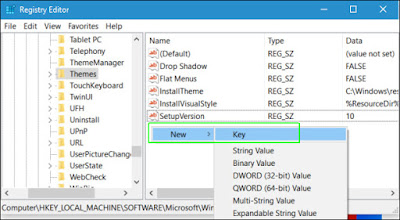
HKEY_LOCAL_MACHINEWindows SystemCurrentControlSetServicesWpm
HKEY_CURRENT_USERSoftwareMicrosoftInternet ExplorerMain Default_Page_URL
HKEY_LOCAL_Machine\Software\Classes\[Threat name]
HKEY_CURRENT_USER\Software\Microsoft\Windows\CurrentVersion\Run .exe
HKCU\Software\Microsoft\Windows\CurrentVersion\Internet Settings\random
HKEY_LOCAL_MACHINE\SOFTWARE\Microsoft\Windows\CurrentVersion\run\random
HKEY_CURRENT_USER\Software\Microsoft\Windows\CurrentVersion\Internet Settings
Part 5 : Start Your Windows System in Safe Mode With Networking
Delete 1click.cmd For Windows 8/10
- Click on Start Menu, hold Shift key and the press Restart button.
- In next Window select Troubleshoot option.
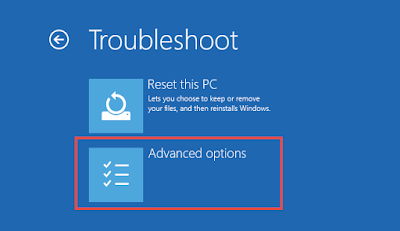
- Again click on Advanced Options.
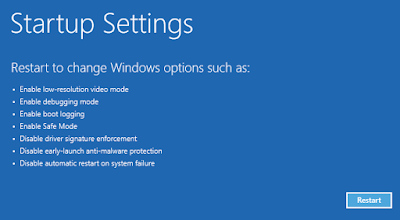
- Here select the Startup Settings option.
- Select Enable Safe Mode option then click on Restart button.
- Now Press F5 button for Enabling Safe Mode With Networking option.
Delete 1click.cmd For Window XP/Vista/7
- Restart your Windows System to open in Safe Mode.
- Click Start Menu >> select Restart option.
- Simultaneously hit F8 button while the Windows System start booting.
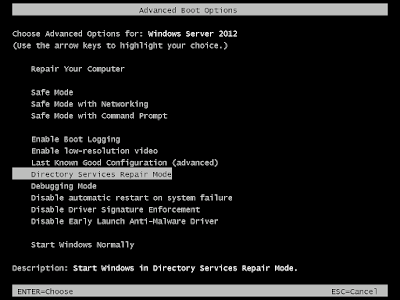
- Here you will get Advance boot menu.
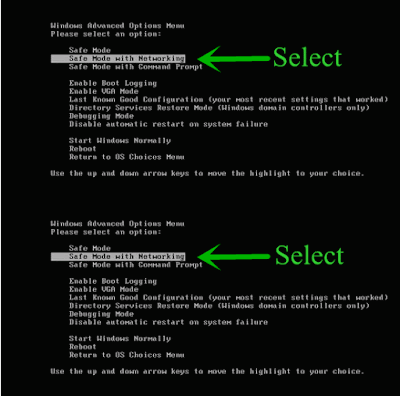
- In this Advance boot menu then select Safe Mode With Networking Option.
- To open Windows System in Safe Mode With Networking press Enter button.

No comments:
Post a Comment